The most commonly reported adverse effects include fatigue, diarrhea, changes in appetite and weight, and elevated liver enzymes, the latter being most relevant at doses used in epilepsy treatment. However (it is not without side THC gummy microdosing overview effects), particularly at high doses. A phenomenon sometimes called “greening out,” characterized by severe anxiety, nausea, and panic following very high THC intake, particularly from edibles, is another real risk. Acute effects include impaired short-term memory and reaction time, anxiety or paranoia at high doses, increased heart rate, dry mouth, and red eyes.
Medical cannabis products often contain these blends, and their use is advised under the supervision of a physician. The endocannabinoid system interacts uniquely with each one (significantly affecting our feelings), ability to rest, and responses to stress or pain. Feelings of euphoria, relaxation, altered perception, and creativity can be induced by THC; however, some individuals may experience anxiety at higher doses. For certain users or at elevated doses, it may induce behaviors resembling anxiety or promote overthinking.
Patients seeking therapeutic benefits from herbal cannabis products are therefore at a substantial risk of unwanted side effects, regardless of whether they obtain products from medical or recreational programs. In a survey of medical cannabis patients, 90% used cannabis to treat chronic pain and 62% to treat anxiety. However (they offer unique therapeutic benefits for people with chronic pain), nausea, and THC users who enjoy the euphoric high. CBD and THC users should consult a doctor to make sure it’s right for them and doesn’t interact with their medications.
Importantly, the currently available formulations of cannabis , high-potency strains, and synthetic cannabinoids (full CBR agonists) may influence brain development even more, leading to worse outcomes compared to those reported in past generations of cannabinoid users 151,152. In a survey of medical cannabis users, 58% used cannabis to treat anxiety and 46% to treat depression. The recommended dosing of THC and/or CBD is to start at a low dose twice a day (or once daily for insomnia) and gradually titrate the dose over two to three weeks until the participant’s optimal dose is discovered. The single-dose half-life of THC and CBD is 2—3 h (Lunn et al. 2019; Millar et al. 2018; Stott et al. 2013); however, THC and CBD accumulate in tissues, especially adipose tissues, due to their lipophilicity, and after multiple doses, their half-life is 2–5 days (Millar et al. 2018; Huestis 2007).
Knowing which compound is responsible for which effect helps you make more informed choices about what you use (how much), and why. When cannabis contained a more balanced ratio of THC to CBD, the experience may have been different from what most people encounter today. Today’s high-THC — low-CBD products hit the same brain system much harder with far less of the natural buffer.
If you’re curious, you can read more about how CBD and THC affect brain networks and dive deeper into this fascinating contrast. On the other hand (someone might take CBD oil every day to gently support their ECS), aiming for a more sustained sense of calm and overall well-being. This indirect method is why it can offer therapeutic benefits without making you feel high. This is the root of the psychoactive difference in the cbd vs thc effects. For example, taking a few drops of a CBD tincture before a big presentation could help you feel calm yet sharp and focused.
Humans typically tolerate low to moderate doses of THC well — and these dosages can effectively alleviate stress and anxiety. The pleasurable sensation associated with THC’s high is regarded positively by most cannabis users. While the bullet points above can serve as a quick snapshot, the distinctions between CBD and THC are far more intricate.
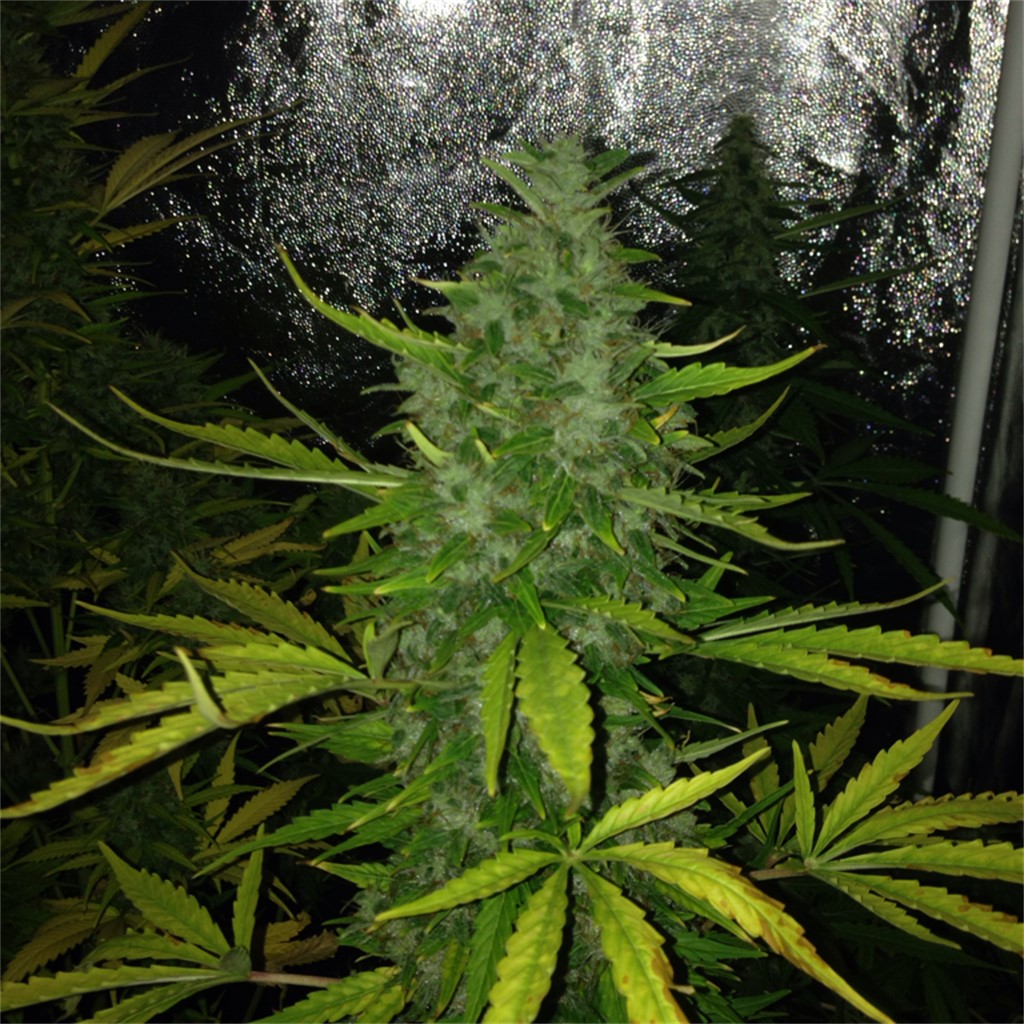
The differing psychoactive attributes between CBD and THC underscore their separate applications within medical treatment and leisurely consumption of cannabis products. THC is widely recognized for its capacity to induce an intoxicating high that is favored among users of recreational cannabis. THC (or tetrahydrocannabinol), is a naturally occurring compound found in the cannabis plant.
Although you won’t experience a “high,” you may notice a reduction in daily stress or diminished anxious thoughts, allowing you to remain focused and present. The scientific explanation highlights the differences between CBD and THC, but what truly matters is the way they affect your feelings. After receiving certification — patients are granted access to a full spectrum of regulated cannabis products, which include CBD-dominant, THC-dominant, and balanced formulations. For patients requiring access to products containing THC or higher-potency CBD formulations, acquiring a medical marijuana card is the most dependable and legally secure method. Low doses of THC may alleviate anxiety; conversely, higher doses often worsen it, especially in individuals who are unaccustomed to its effects.
The decision to choose between THC and CBD goes beyond the desire to feel high. Clinical trials that are random and ongoing are continuously assessing its effectiveness in addressing various medical conditions. To date (there is no indication that CBD is addictive or prone to abuse), even at relatively high dosages. Some individuals experience relaxation and even creative inspiration from small quantities. Although both cannabinoids are derived from the cannabis plant, their effects and properties differ significantly. ✍️ About the Author — This piece was authored by the editorial team at Blooming Vitality, a platform focused on health and wellness that provides evidence-based advice on natural supplements.